The Uganda Communications Commission (UCC) has announced a temporary suspension of public internet access and selected mobile services ahead of the country’s General Election scheduled for Thursday, January 15.
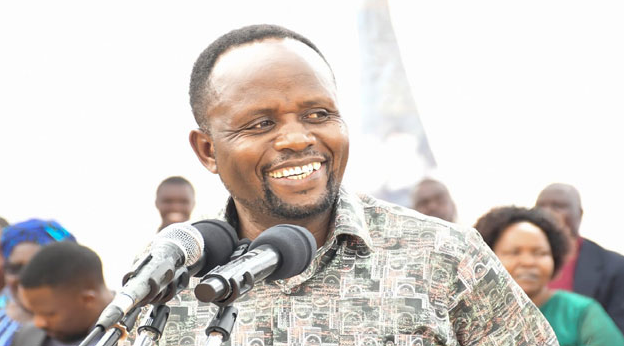
In a directive issued by the regulator, UCC Executive Director Nyombi Thembo said the move is intended to protect national security and preserve public order during the electoral period. The commission noted that the shutdown is aimed at reducing the spread of misinformation, disinformation, and potential electoral manipulation.
The suspension is set to begin on Tuesday, January 13, at 6:00 p.m., and will remain in effect throughout the voting process and the immediate post-election period.
Under the directive, internet service providers have been instructed to temporarily block access to social media platforms, mobile data services, and selected internet-based communication channels. UCC stated that the decision was made in accordance with the Uganda Communications Act, which grants the commission authority to regulate communication services in the interest of national security and public safety.
However, the commission clarified that certain essential services will be exempted from the shutdown. Authorized institutions will continue to access the internet through secure and approved channels such as private networks, Virtual Private Networks (VPNs), and dedicated Internet Protocol (IP) ranges.
Exempted services include healthcare systems, financial and banking services, government administrative operations, transportation and aviation control systems, SIM swap and SIM upgrade platforms, as well as security, cybersecurity, and network management systems.
UCC warned internet service providers that failure to comply with the directive would result in regulatory penalties as stipulated by law. Members of the public were advised to make alternative communication arrangements during the shutdown period, with the commission assuring Ugandans that normal services will be restored once the election process is deemed to have concluded safely.
While the government maintains that such measures are necessary to prevent unrest and safeguard the integrity of elections, the practice has previously attracted criticism from civil society organizations and digital rights advocates.
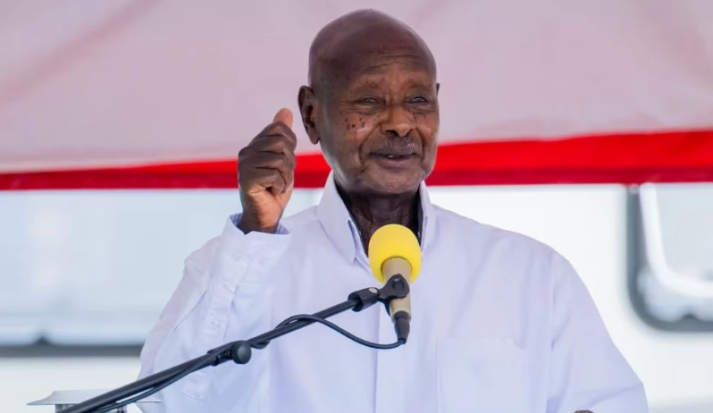
The January 15 General Election is expected to draw close attention amid increased political activity and heightened security across the country, as President Yoweri Museveni seeks another term in office after four decades in power.