
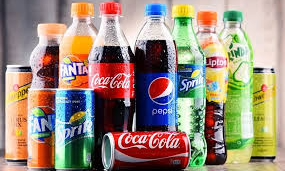
The World Health Organization (WHO) is urging countries to increase taxes on sugary drinks and alcoholic beverages to tackle the rising global health crisis fueled by obesity, diabetes, cancer, and injuries.
Sugary Drinks and Alcohol Still Too Cheap
Two new WHO reports show that while 116 countries tax sodas and carbonated drinks, many high-sugar products like 100% fruit juices, sweetened milk beverages, and ready-to-drink coffees and teas escape taxation.
Similarly, although 167 countries levy taxes on alcohol, prices for alcoholic drinks have remained stable or even become more affordable in many regions since 2022. This is because existing levies often fail to keep pace with inflation and rising incomes.
“Sugary drinks and alcohol remain widely available at low cost, contributing to serious health problems worldwide,” WHO Director-General Dr Tedros Adhanom Ghebreyesus said during a virtual briefing.
The Case for Health Taxes
WHO emphasizes that health taxes reduce consumption of harmful products while generating revenue that governments can reinvest in healthcare, education, and social protection.
Evidence from the UK’s sugary drink tax introduced in 2018 shows promising results: reduced sugar intake, £338 million additional revenue in 2024, and lower obesity rates among girls aged 10–11, especially in disadvantaged communities.
Health Risks of Low-Cost Sugary Drinks and Alcohol
- Sugary beverages increase the risk of obesity, type 2 diabetes, cardiovascular diseases, dental problems, and osteoporosis.
- Alcohol consumption is linked to maternal and child health complications, mental health disorders, injuries, and both communicable and noncommunicable diseases.
Global Advocacy for Stronger Policies
Alison Cox, Director of Policy and Advocacy at NCD Alliance, highlighted that well-designed health taxes provide a triple benefit:
- Improved population health
- Stronger public finances
- Reduced long-term societal costs
“These taxes hold industries accountable for the health and economic consequences of their products,” Cox added, noting that political debates over national sovereignty sometimes slow the adoption of these policies.
WHO and its partners, including the NCD Alliance, are urging governments worldwide to implement robust, pro-health taxation on sugary drinks and alcohol as part of a broader strategy that also targets tobacco.
Stay informed on global health updates and breaking news by following the HIGHER EDUCATION UPDATES CHANNEL on WhatsApp:
Join the WhatsApp Channel