The United States has called for a review of its security relationship with Uganda following controversial remarks made by Ugandan General Muhoozi Kainerugaba, with senior U.S. officials dismissing his public apology as inadequate.
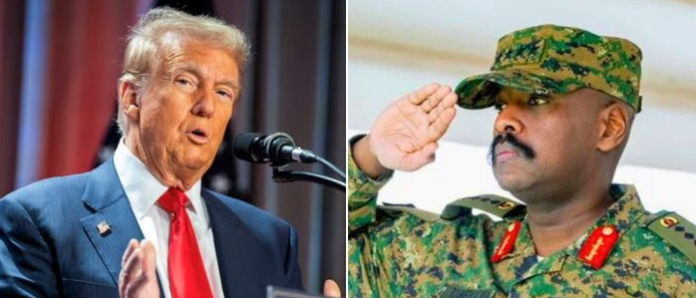
U.S. Senator Jim Risch, Chairman of the Senate Foreign Relations Committee, on Friday, January 30, rejected Muhoozi’s apology, describing it as hollow and calling for tougher measures against Kampala. Risch said the general—who is also the son of President Yoweri Museveni—had crossed a red line despite deleting the disputed social media posts and issuing an apology to Washington.
The senator urged the administration of President Donald Trump to reassess U.S.–Uganda security cooperation, including the possibility of sanctions and a review of military engagement with the Uganda People’s Defence Forces (UPDF).
According to Risch, Muhoozi’s conduct should not be taken lightly, warning that deleting posts and offering apologies did not reflect the seriousness of the situation or the potential threat to U.S. interests and regional stability. He stressed that the United States would not tolerate actions he described as reckless and destabilising, particularly where American personnel, interests, and civilian lives could be affected.
Muhoozi had earlier apologised to the United States following growing calls for sanctions over alleged human rights abuses linked to Uganda’s disputed January general elections. In a statement issued on Friday, January 30, he said he had deleted the offending tweets, admitted he had been misinformed, and acknowledged that his remarks had attracted international condemnation.
The UPDF chief said he had held talks with the U.S. Ambassador to Uganda and maintained that relations between the two countries remained intact. He added that military cooperation would continue as usual.
Uganda also sought to contain the diplomatic fallout through its embassy in Washington, with Ambassador Adonia Ayebare engaging U.S. officials to ease tensions. Ayebare later stated that the matter had been resolved and reaffirmed that Uganda’s relationship with the United States remained strong, mutually beneficial, and a top priority for Kampala.
The controversy follows Risch’s earlier calls for sanctions over reports of election-related violence, amid allegations of human rights abuses. Opposition leader Bobi Wine has claimed that masked soldiers raided his home and assaulted members of his family.
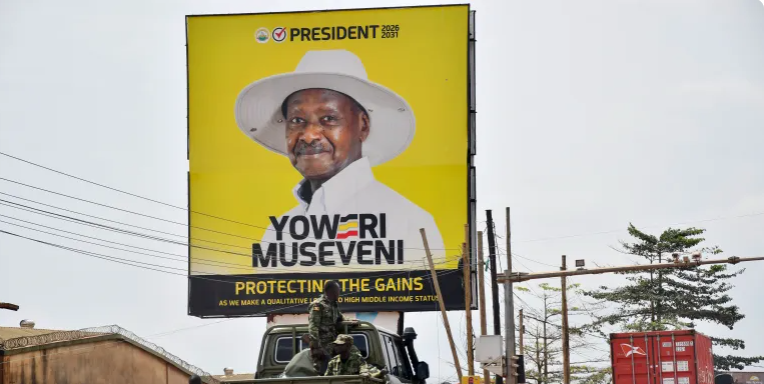
President Museveni was declared the winner of the January elections after securing 7.9 million votes, extending his rule to a seventh term. Bobi Wine, who received 2.7 million votes, rejected the results. Muhoozi also faced international backlash over a social media post in which he claimed responsibility for the killing of 22 supporters of the National Unity Platform (NUP), whom he described as terrorists.